
Cell Phone Records Can Be Powerful Evidence In A Personal Injury Claim
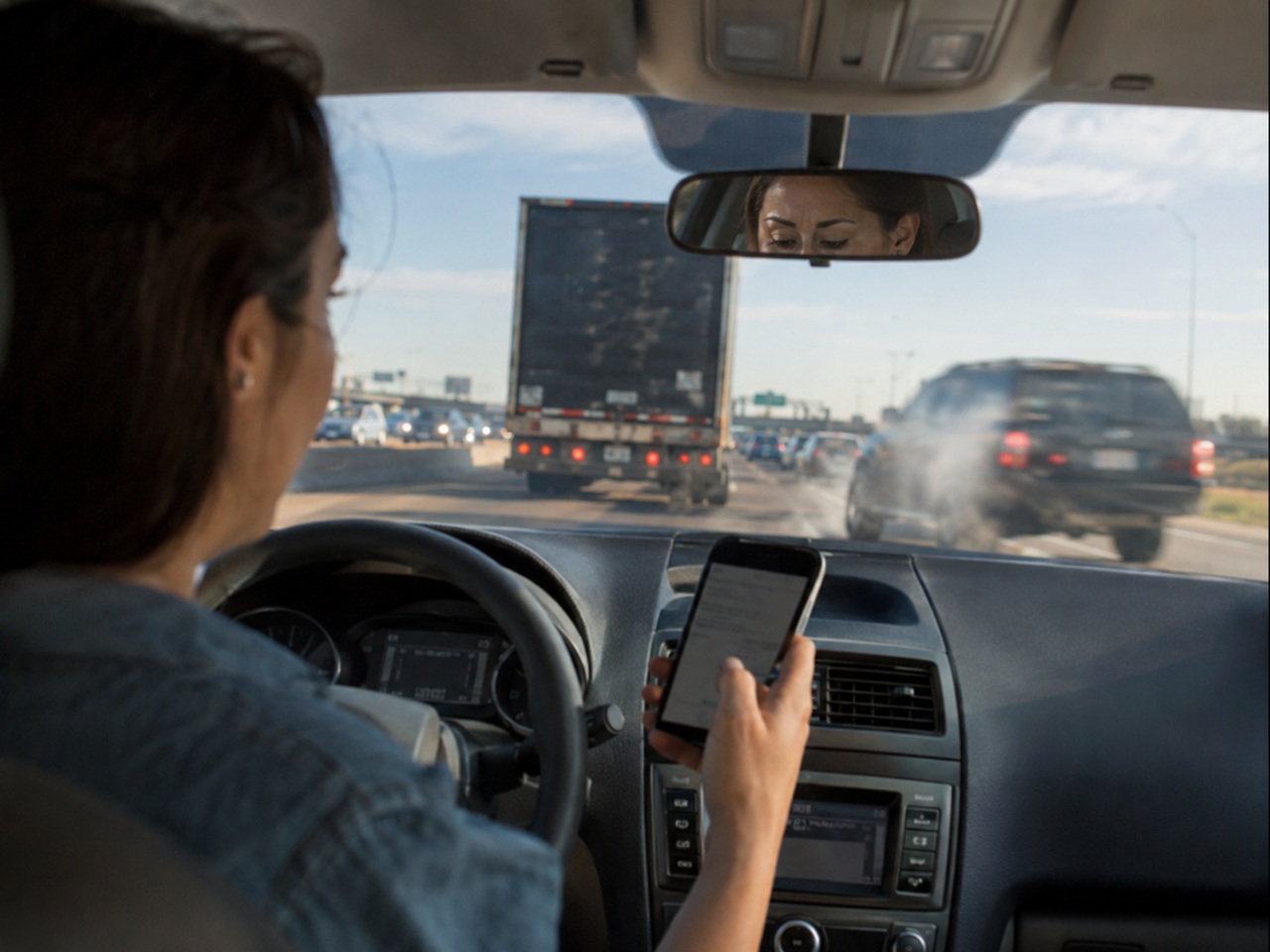
Using a cell phone while driving in Texas is dangerous, illegal, and a common cause of car accidents. Even so, too many drivers still pick up their phones behind the wheel. According to the National Highway Traffic Safety Administration, distracted driving claimed 3,308 lives in the United States in a single recent year. In Texas, the problem remains serious, with phone use, inattention, and other distractions contributing to devastating crashes every year.
But here’s the challenge. When a distracted driver causes a crash, they rarely admit it. They claim they weren’t on their phone. They insist they were paying attention. And without hard evidence, it can be difficult to prove otherwise.
That’s where cell phone records come in. Phone records can show calls, texts, data use, and other activity around the time of a crash. In a serious injury case, those records can turn a driver’s denial into something the evidence contradicts. Our Wichita Falls car accident attorneys at Hoover Rogers know how to investigate distracted driving accidents and move quickly to preserve the evidence that injured people need.
Consultation*
Can Cell Phone Records Be Used As Evidence In A Car Accident Case?
Yes. Cell phone records can be used as evidence in Texas car accident cases and are frequently used to prove that a driver was using their phone at the time of a crash. Texas law prohibits texting while driving under Texas Transportation Code § 545.4251. Violating that law while causing an accident can be strong evidence of negligence.
When cell phone records confirm that a driver was sending or receiving messages at the precise moment of a collision, that data can significantly strengthen an injured victim’s case.
Cell phone records alone don’t win cases, but they can be the difference between a driver denying distraction and the evidence making that denial impossible. Insurance companies know this, too. That’s why the at-fault driver’s insurer may try to avoid or delay the release of phone records. An attorney can act quickly to preserve and obtain that evidence before it becomes harder to access.
How Do Cell Phone Records Prove Distracted Driving After A Crash?
The power of cell phone records is in the timestamps. When investigators know the exact time a crash occurred, they can compare that time against the phone activity log. If the records show that the driver was sending a text, placing a call, or using an app during the same window as the collision, that can be direct evidence of distraction.
The driver may claim they were not on their phone, but the records can tell a different story.
Cell phone records are especially useful in cases where there are no witnesses and no video footage. Physical evidence at the scene may show what happened, but phone records can help explain why. When combined with the police report, crash reconstruction analysis, witness statements, and medical documentation, phone records help build a complete picture of what the driver was doing when they should have been watching the road.
Texas crash reports can also matter. Police reports may include codes showing that distraction, cell phone use, or another contributing factor played a role. Understanding how to read a Texas crash report can help identify early clues that phone use warrants further investigation.
Take the next steps. Contact us now.What Information Do Cell Phone Records Actually Show?
Most people think of cell phone records as just a list of calls. In reality, they can contain far more useful information. Depending on the carrier and the type of records obtained, cell phone records can reveal:
- Outgoing And Incoming Calls: The exact time, duration, and number called or received, which can be matched against the time of the crash.
- Text Message Activity: Timestamps for when texts were sent or received. Carriers typically don’t retain message content for ordinary records, but timing alone can help establish distraction.
- Data Usage Logs: Records showing when the phone was actively using data, including browsing the web, using social media apps, streaming content, or loading other online activity near the time of the crash.
- App Activity: In some cases, specific app usage data can be recovered from the phone itself, including GPS navigation apps, social media platforms, and messaging services.
- Tower Ping Data: Cell carrier records can show which towers the phone connected to and when, helping establish the phone’s location and movement at the time of the crash.
Not every piece of this data is available in every case. Carriers retain different types of records for different periods of time. That’s one of the reasons why moving quickly after a crash is so important.
How Do You Get Cell Phone Records After A Car Accident In Texas?
You cannot simply call the other driver’s carrier and request their records. Cell phone records are private, and carriers generally will not release them without either the account holder’s consent or a legal demand. That means obtaining the at-fault driver’s records usually requires going through the legal process.
One critical early step is sending a preservation letter, sometimes called a litigation hold letter, to the at-fault driver and their carrier as soon as possible after the crash. This letter puts both parties on notice that the records must be preserved and cannot be destroyed or deleted.
Without a preservation letter, carriers may delete records according to their standard retention schedules, and the evidence could be lost forever. Time matters. The sooner an attorney gets involved, the better the chance of securing this evidence.
At the same time, injured people should protect their case by documenting what happened, seeking medical care, and avoiding direct contact with the other driver’s insurance company. Knowing what to do after a car accident can help preserve both evidence and leverage before the insurance company starts shaping the claim.
Can A Driver’s Cell Phone Records Be Subpoenaed In A Texas Lawsuit?
Yes. Once a lawsuit is filed, an attorney can use the formal discovery process to subpoena cell phone records directly from the carrier. A subpoena is a legal demand for records that the carrier is required to comply with. This is one of the most effective tools for obtaining phone records when the at-fault driver refuses to cooperate or when the carrier won’t release records voluntarily.
In some cases, records can also be requested before a lawsuit is formally filed through pre-suit discovery, depending on the circumstances. An attorney may also seek access to the phone itself, which may contain additional data not included in the carrier’s records, such as deleted messages, app history, GPS data, and internal device logs.
The scope of what can be obtained often depends on how quickly the process begins after the crash. If weeks or months pass before anyone takes action, important records may already be gone.
Take the next steps. Contact us now.What Else Can Prove A Driver Was On Their Phone At The Time Of A Crash?
Cell phone records are powerful, but they are rarely the only evidence available. In a strong distracted driving case, multiple sources of evidence are used together to build a clearer argument.
Some of the most valuable additional sources of proof include:
- Surveillance and Dashcam Footage: Video from nearby businesses, traffic cameras, or another driver’s dashcam may capture the at-fault driver looking down at their phone in the seconds before impact.
- Event Data Recorder Information: Most modern vehicles have onboard systems that capture speed, braking, and steering data in the seconds leading up to a crash. This data can show that a driver failed to brake or react, which may be consistent with distraction.
- Eyewitness Statements: Other drivers, passengers, or pedestrians who saw the at-fault driver using their phone before the crash can provide critical testimony supporting a distracted driving claim.
- Social Media Activity: Posts, stories, messages, or check-ins published at or near the time of the crash can establish that the driver was actively using a phone and potentially their social media accounts.
- Crash Reconstruction Analysis: A reconstruction specialist can analyze skid marks, point of impact, vehicle positions, damage patterns, and other physical evidence to show that the at-fault driver failed to brake or take evasive action.
The strongest distracted driving cases combine several of these evidence sources. A legal team that understands how to deal with car accident insurance companies can push back when adjusters try to ignore phone records, minimize the crash, or blame the injured person.
Why Insurance Companies Fight Over Distracted Driving Evidence
Insurance companies know that clear phone evidence can increase the value of a claim. If records show that the at-fault driver was texting, scrolling, or using an app at the time of the crash, it becomes much harder to argue that the crash was unavoidable. That is exactly why insurers may resist producing records, argue that phone activity was unrelated, or claim the evidence does not prove distraction.
They may also shift attention to the injured person by arguing that they were speeding, failed to brake, changed lanes improperly, or could have avoided the crash. In Texas, fault percentages matter. If the insurance company can assign enough blame to the injured person, it can reduce what it has to pay or try to avoid payment altogether.
That is why evidence needs to be gathered, preserved, and organized from the start. A distracted driving case is not just about proving the other driver used a phone. It is about proving that the phone use caused the crash and that the injured person’s damages are fully supported.
What Compensation May Be Available After A Distracted Driving Accident?
A distracted driving crash can cause far more than just vehicle damage. Injured people may need emergency treatment, surgery, physical therapy, medication, follow-up appointments, and time away from work. Some suffer long-term pain, reduced mobility, or permanent limitations.
Compensation may include medical expenses, lost income, reduced earning capacity, property damage, pain and suffering, and other losses connected to the crash. The value of a case depends on the severity of the injury, available insurance coverage, evidence of fault, medical documentation, and the long-term impact of the accident.
Before accepting a settlement, injured people should understand whether the offer accounts for future care, future wage loss, and the full effect of the crash. Car accident settlements can close a claim permanently, so signing too early can leave an injured person paying for losses the insurance company should have covered.
Take the next steps. Contact us now.How Can A Car Accident Lawyer Help?
Distracted driving cases are more complex than they might appear. The at-fault driver will almost certainly deny being on their phone. Their insurance company will look for ways to dispute liability and minimize the payout. Without the right evidence gathered at the right time, a valid claim can fall apart.
Our Wichita Falls car accident attorneys at Hoover Rogers know how to investigate distracted driving crashes. We send preservation letters immediately. We subpoena phone records. We work with crash reconstruction specialists. We review police reports, medical records, witness statements, and digital evidence to build the kind of case that holds a distracted driver accountable.
We have been fighting for the rights of injury victims in Texas and Oklahoma for years, and we know what it takes to get results. Our case results speak for themselves, including a $1,490,000 settlement in a motor vehicle accident.
Contact us and schedule a free consultation with a Wichita Falls car accident attorney who puts your best interests first. You only pay us if we secure a financial settlement or verdict for you. That’s because we handle injury claims in Texas and Oklahoma on a contingency fee basis.
“My experience working with Ben Hoover was excellent. I hired Ben to help me after I was in a car accident while I was 7 months pregnant. The driver who hit me didn’t have a license or insurance, but Ben was able to work with my insurance company to ensure all of my physical and medical expenses were covered. It gave me such peace of mind knowing Ben was representing my case. He was very easy to work and communicate with. I would highly recommend Ben Hoover as an attorney for any case.” - Jacklyn, ⭐⭐⭐⭐⭐
Take the next steps. Contact us now.